Tools Guide for Changing a Tire
Before you find yourself stranded with a flat, make sure you have the right tools and know how to use them. Here's everything you need.
Quick Checklist
Essential Tools
Required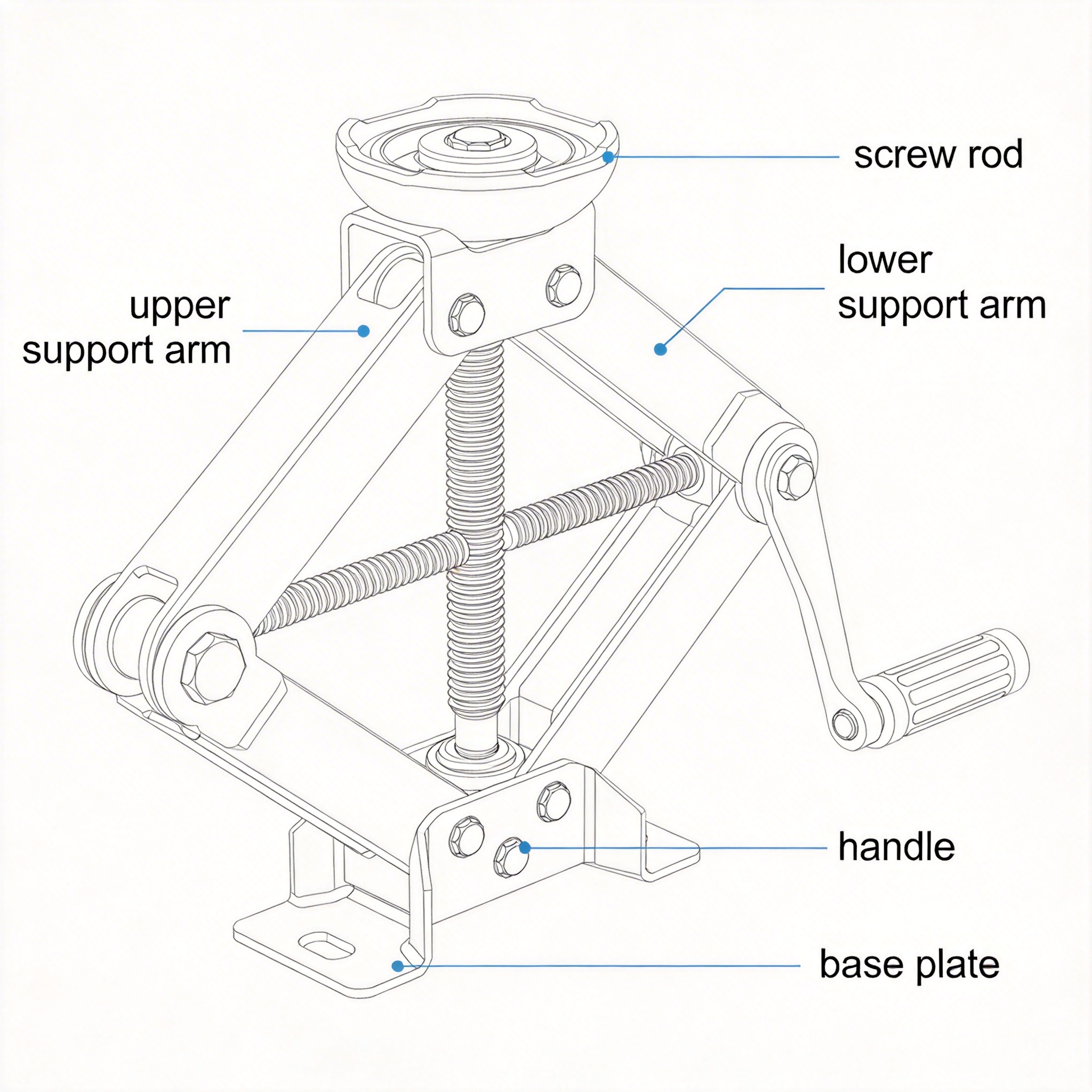
Recommended Tools
Optional
Tool Details & Tips
The car jack lifts your vehicle off the ground so you can remove and replace the tire. Most vehicles come with a scissor jack (also called a screw jack), which is compact and stored with your spare tire.
Types of Jacks:
- Scissor Jack: Standard equipment in most vehicles. Compact but slow to operate.
- Hydraulic Bottle Jack: Faster and more stable, but bulkier. Great for larger vehicles.
- Floor Jack: The most stable option, but too large to carry in most cars.
Important: Always use jack stands if you need to get under the vehicle. A jack alone is not stable enough for this.
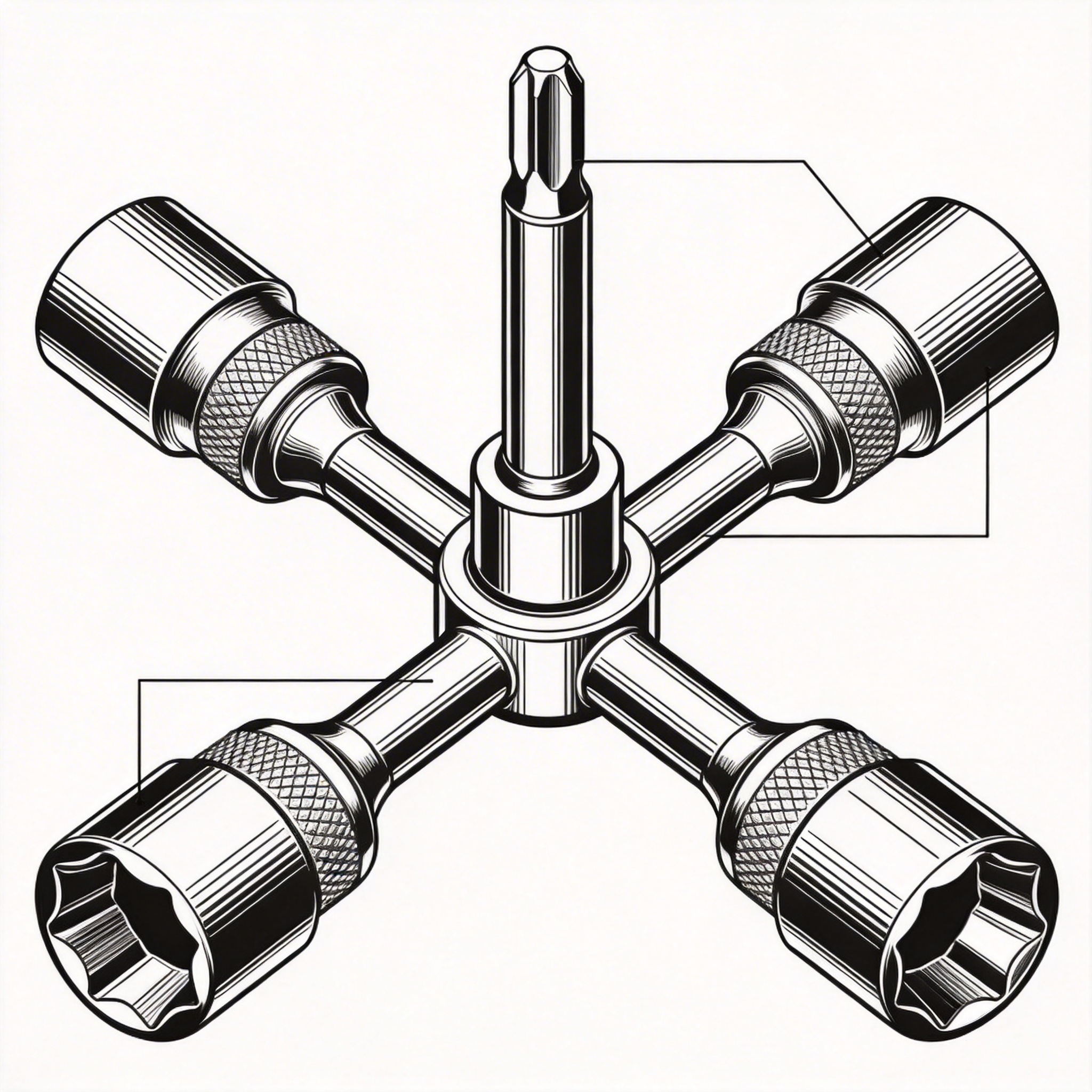
The lug wrench (also called a tire iron) is used to loosen and tighten the lug nuts that secure your wheel to the vehicle.
Types of Lug Wrenches:
- L-shaped Wrench: Standard in most vehicles. Simple but limited leverage.
- Four-way Wrench: Cross-shaped with different socket sizes. Better leverage.
- Telescoping Wrench: Extends for more leverage when dealing with tight lug nuts.
Tip: If your lug nuts are extremely tight, you can carefully stand on the end of the wrench to use your body weight. Make sure the wrench is properly seated on the nut first.
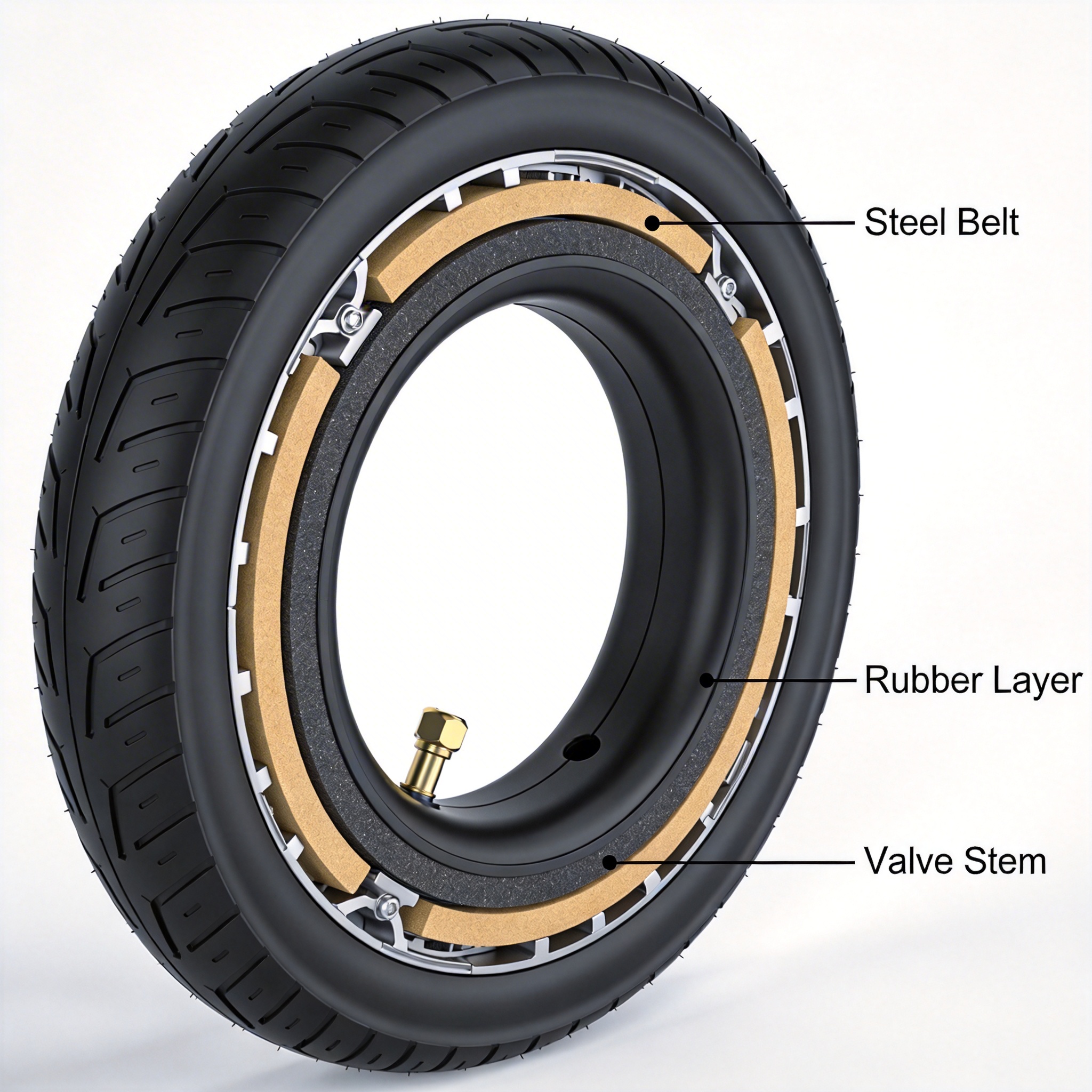
The spare tire is your backup when you get a flat. There are several types, each with different limitations.
Types of Spare Tires:
- Compact/Donut Spare: Smaller than regular tires. Limited to 50 mph and 50-70 miles.
- Full-size Spare: Same size as your regular tires. Can be driven normally.
- Run-flat Tires: Can drive up to 50 miles at reduced speed even when flat. No spare needed.
Maintenance Tip: Check your spare tire pressure every 6 months. Spare tires can slowly lose air over time, and you don't want to discover a flat spare when you need it most!
Ready to Learn?
Now that you know the tools, find a step-by-step guide for your specific vehicle.
Browse Tutorials