How to Change a Tire on Ford F-150 [Step-by-Step Guide]
The Ford F-150 is America's best-selling pickup truck. The spare tire is stored under the truck bed and can be lowered using the jack handle and extension rod. This guide covers the standard tire change procedure for F-150 models from 2020-2024.
The spare tire is stored underneath the rear of the truck bed. Use the jack handle extension and wheel wrench to lower it through the opening in the rear bumper.
Position the jack under the frame rail, just behind the front wheel or just in front of the rear wheel. The F-150 has designated lift points marked with notches on the frame. Never place the jack under the differential, axle housing, or suspension components.
Step-by-Step Instructions
Pull over to a flat, stable surface away from traffic. Avoid hills, curves, or soft ground. Turn on your hazard lights and engage the parking brake.
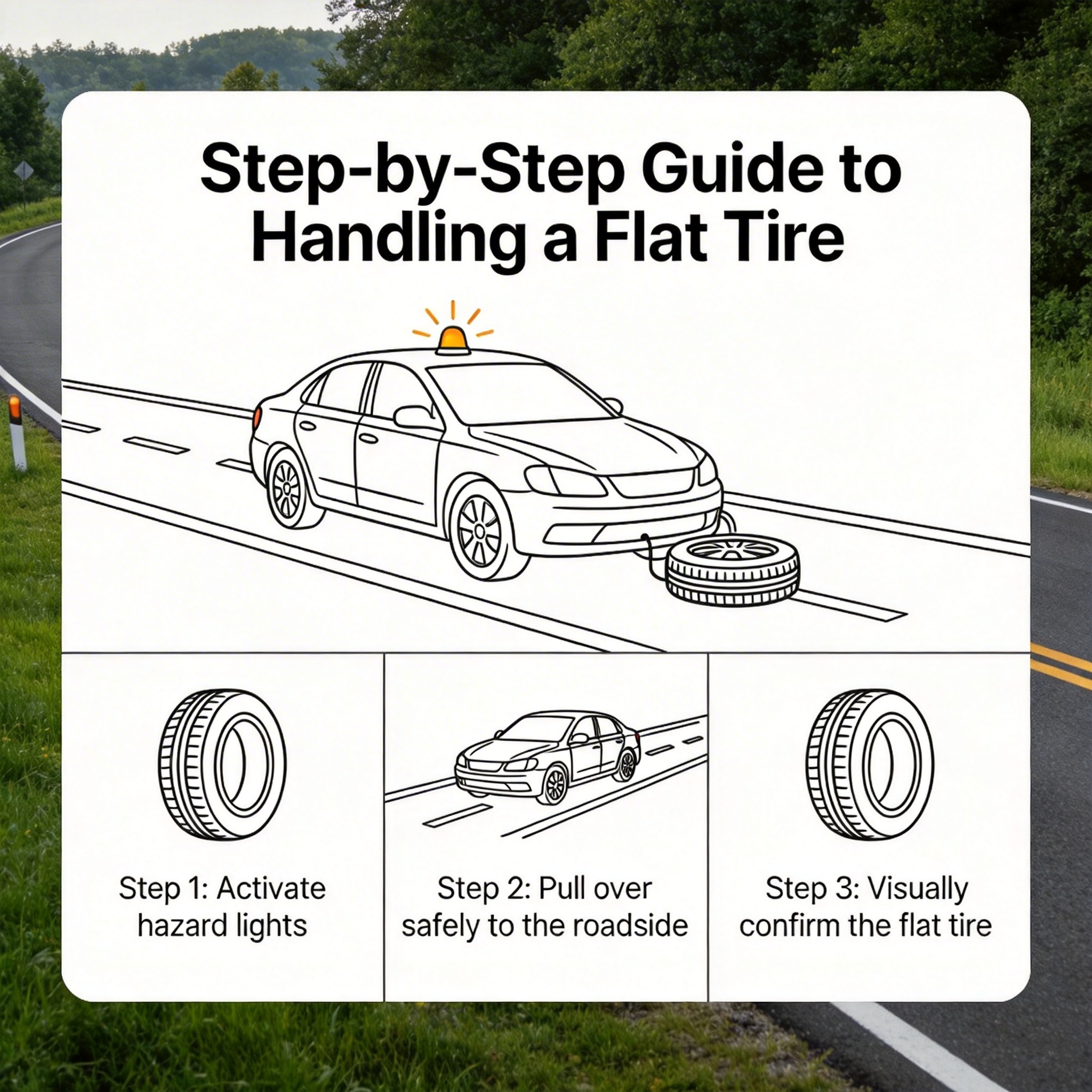
Tip: If on a highway, try to reach an exit or rest area. If not possible, pull as far onto the shoulder as you can.
Warning: Never change a tire on a hill or on the side of the road with passing traffic if you can avoid it.
Put the truck in Park (automatic) or Reverse (manual). Engage the parking brake firmly. Place wheel wedges behind the tire diagonally opposite the flat tire.
Tip: For an F-150, the heavy weight means extra caution is needed to prevent rolling.
Find the spare tire winch access hole located in the rear bumper (center, below the tailgate). Insert the jack handle extension and wheel wrench through the hole. Turn counterclockwise to lower the spare tire to the ground.
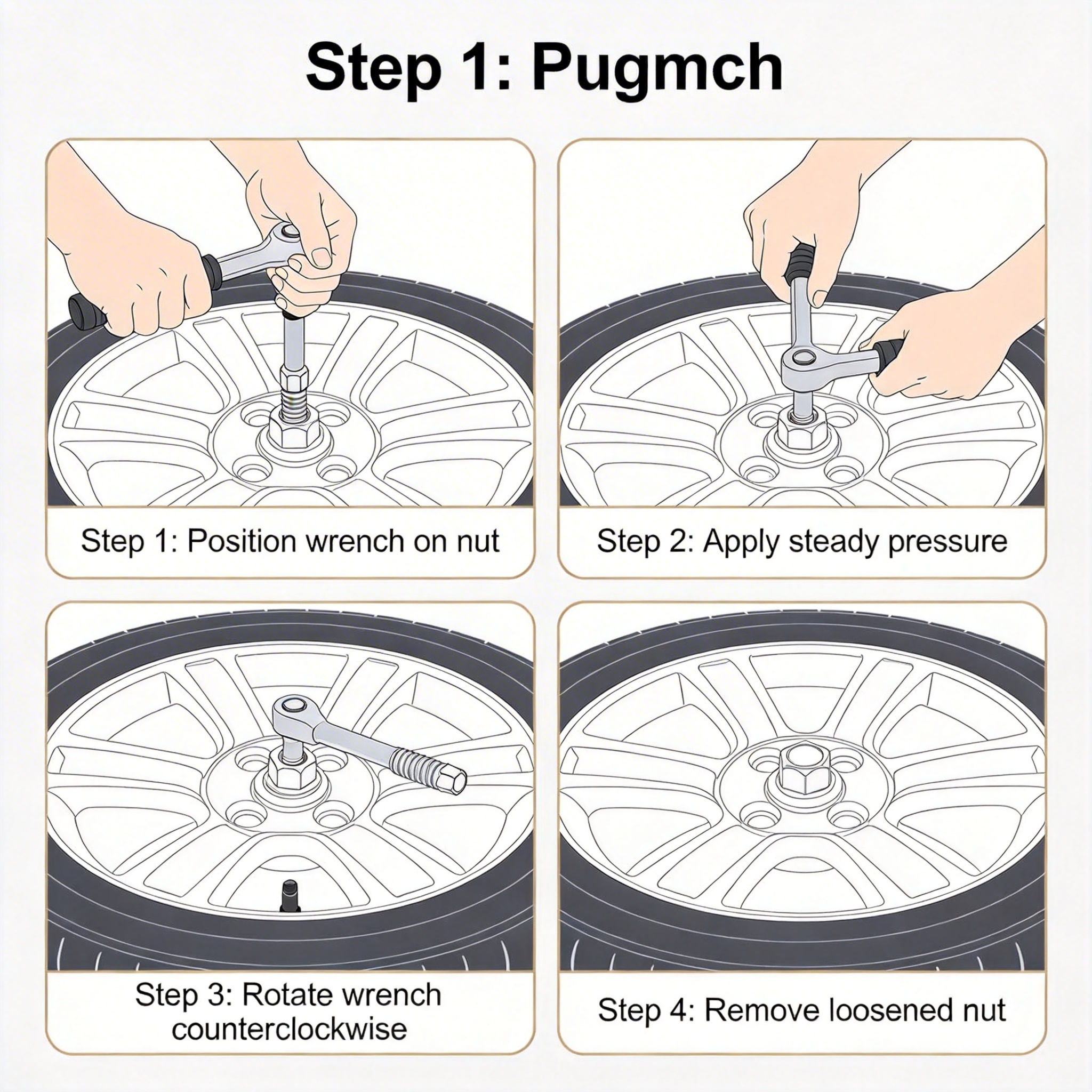
Tip: The spare tire winch mechanism is located under the truck bed. Keep turning until the tire is fully on the ground.
Before lifting, use the lug wrench to loosen (but don't remove) all the lug nuts on the flat tire. Turn counterclockwise. They may be tight, so use your body weight.
Tip: F-150s use 6 or 7 lug nuts depending on the configuration. Loosen them about one full turn each.
Warning: Don't remove the lug nuts completely yet - the wheel needs to stay in place while you lift.
Locate the jack point on the frame rail (marked with notches). Position the jack there. Turn the jack handle clockwise to raise the truck until the flat tire is about 6 inches off the ground.
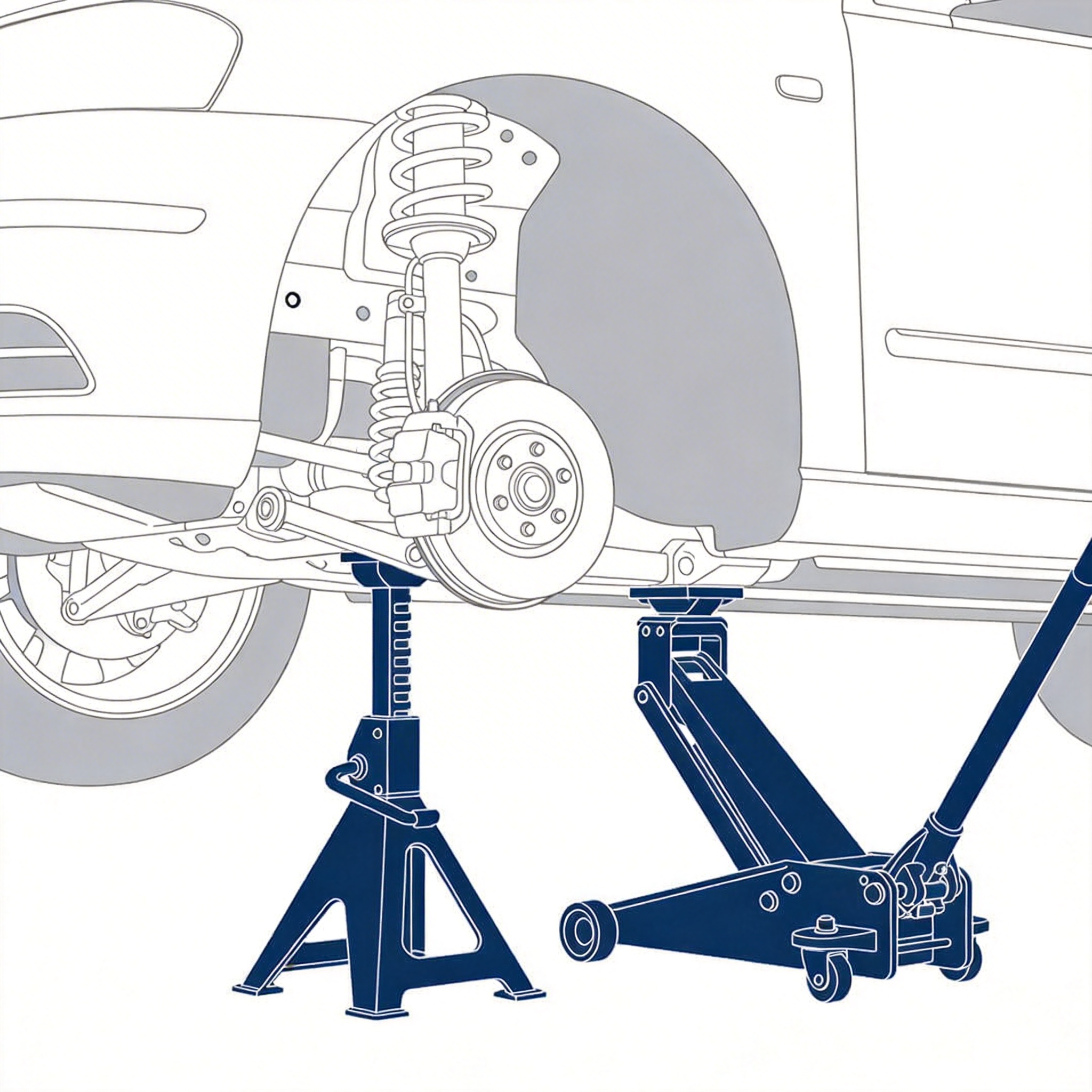
Tip: Double-check that the jack is stable and fully engaged with the frame rail before continuing.
Warning: Never put any part of your body under the vehicle when it's raised by a jack.
Now fully remove the loosened lug nuts. Place them in a safe spot where they won't roll away. Pull the flat tire straight toward you and set it aside.
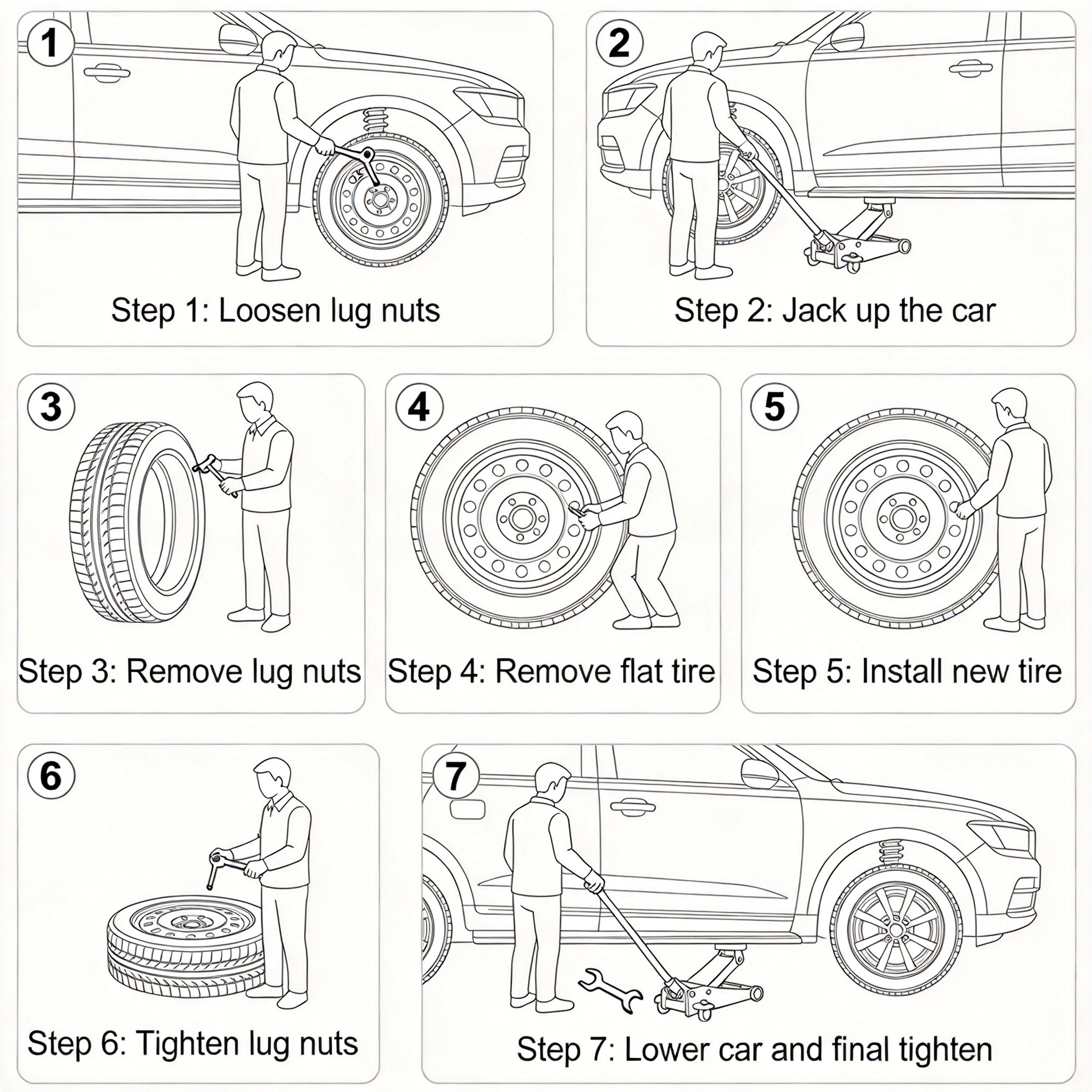
Tip: If the tire is stuck due to rust, hit the top of the tire sidewall with your palm to break it loose.
Align the spare tire's holes with the wheel studs. Push it onto the hub until it's flush. Hand-tighten the lug nuts as much as possible in a star pattern.
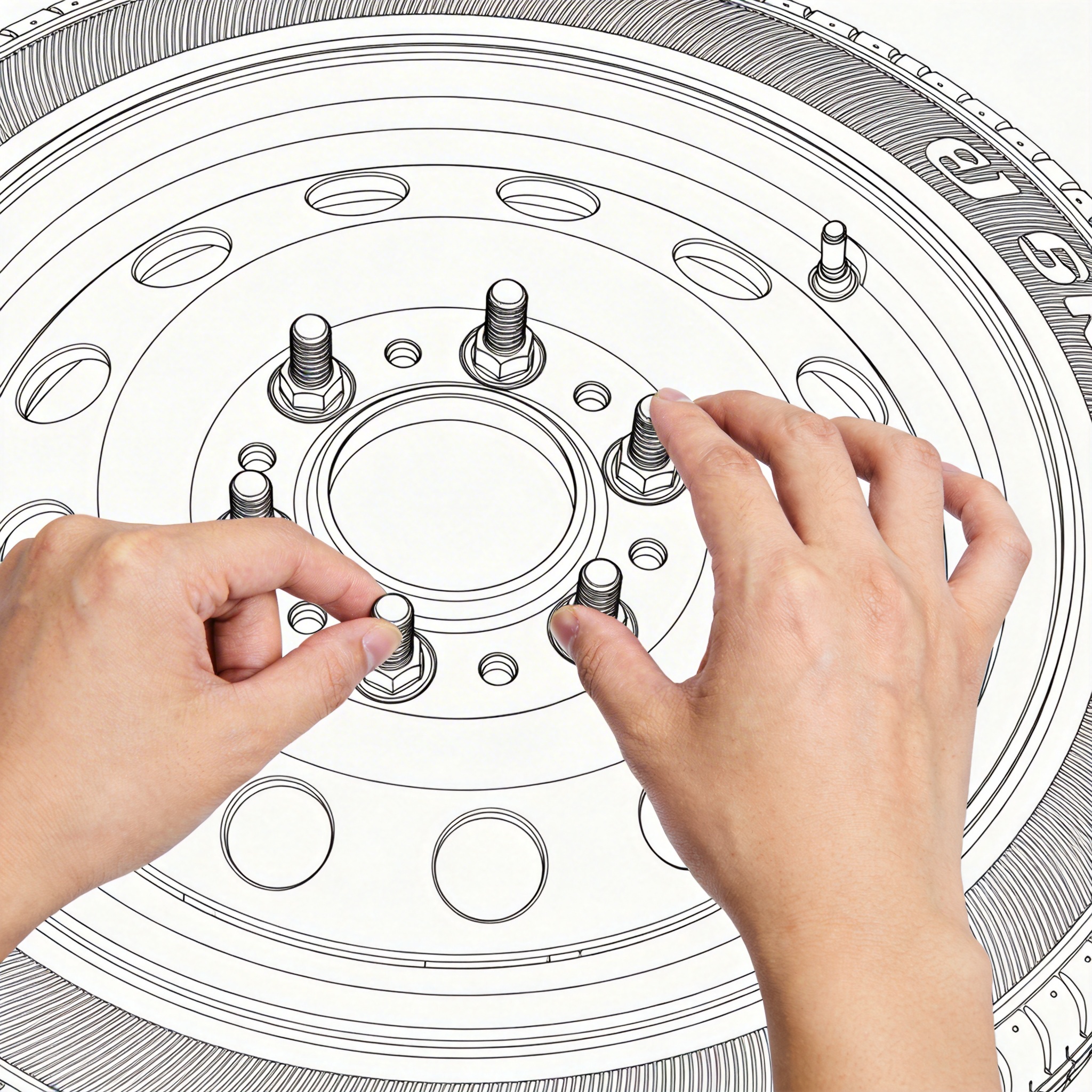
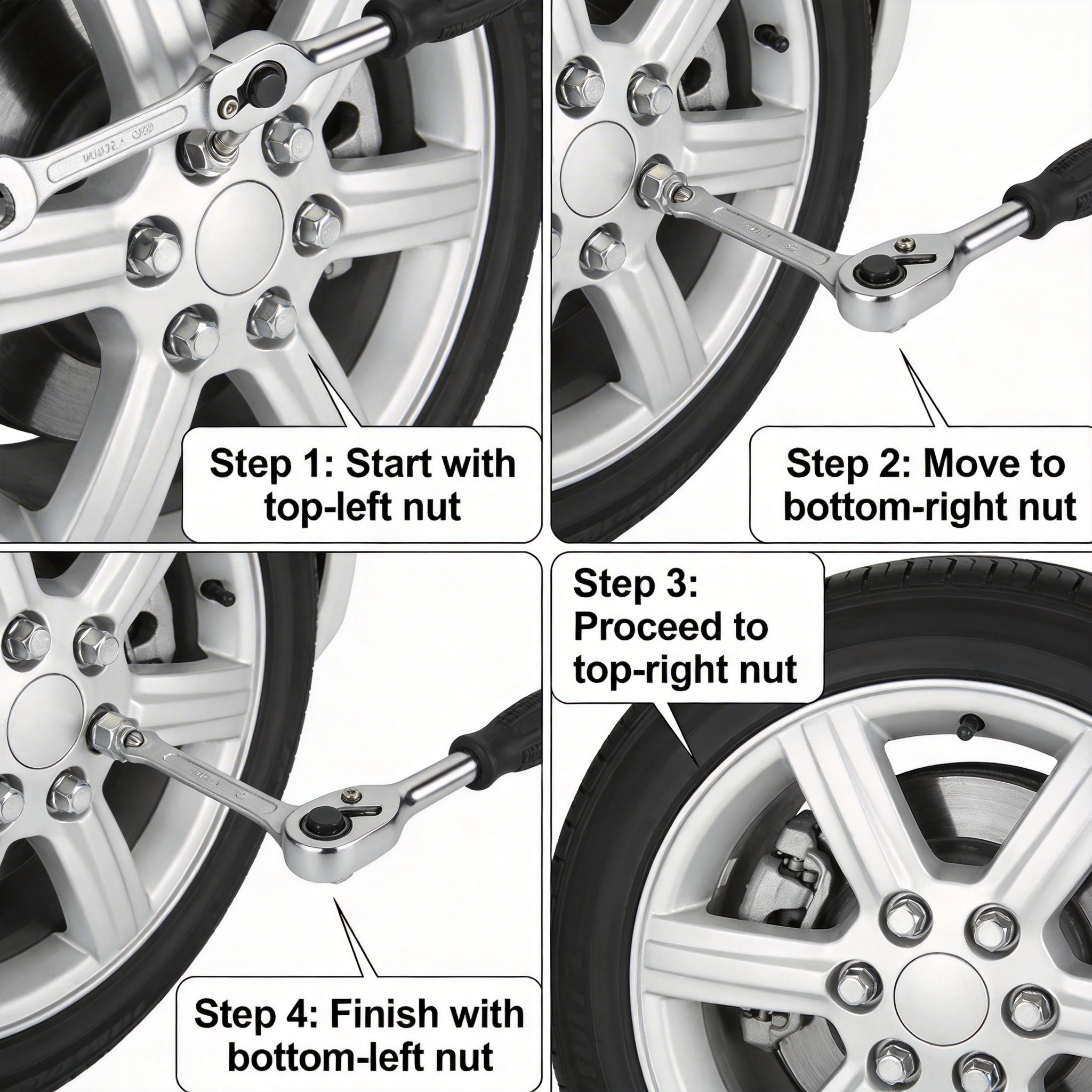
Tip: A star pattern means tightening opposite nuts in sequence: top, bottom, left, right, then the remaining.
Lower the truck until the tire touches the ground but still has some weight on the jack. Use the lug wrench to fully tighten all lug nuts in a star pattern. Then lower completely and remove the jack.
Warning: Spare tires are temporary. Don't drive over 50 mph and get the flat tire repaired or replaced within 50-70 miles.
Put the flat tire in the cargo bed. Secure the jack and tools in their storage locations. Check the spare tire pressure at a gas station as soon as possible.
Tip: If the flat tire is repairable, visit a tire shop promptly. If not, you'll need a replacement tire.
Frequently Asked Questions
F-150 models with running boards may require removing the board for access to the jack point. F-150 Raptors have different jack points - consult your owner's manual.
Car Jack(Required)
A device used to lift the vehicle off the ground. Most vehicles come with a scissor jack, but hydraulic jacks are easier to use.
Lug Wrench(Required)
A tool used to loosen and tighten the lug nuts on your wheels. Often comes with the vehicle as a tire iron.
Spare Tire(Required)
A backup tire that comes with your vehicle. Check tire pressure regularly as spares can lose air over time.
Flashlight
Essential for nighttime tire changes. A headlamp keeps your hands free.
Work Gloves
Protect your hands from hot surfaces, sharp edges, and dirt.
Safety First
Always prioritize your safety. If you're in an unsafe location or feel uncomfortable, call roadside assistance.